
Bicycle and Pedestrian Accidents in Irvine
 April 10, 2026
- Categories: Bicycle Accidents
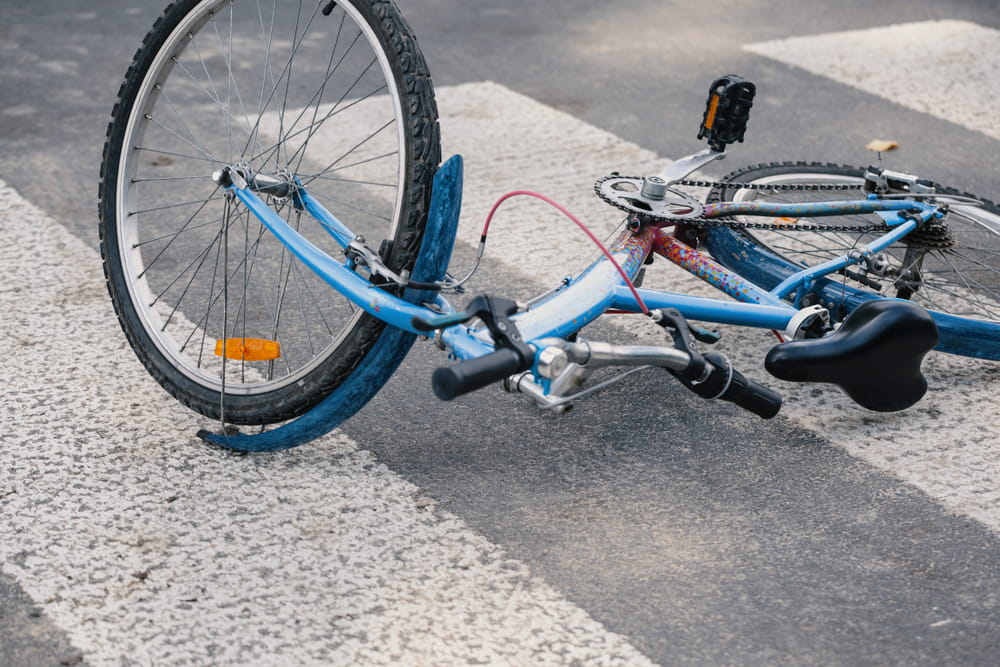
Irvine often promotes itself as one of the safest cities in California for cyclists, yet it also sees bicycle and pedestrian collisions every week. These two facts coexist because “safer than average” still means hundreds of people struck by vehicles each year in Orange County alone. If you were one of them, an Irvine bicycle accident lawyer can help you hold the negligent driver accountable.
Insurance companies typically push back hard against claims filed by cyclists and pedestrians. They will likely suggest you should have been more visible, crossed the street somewhere else, or anticipated the driver’s error.
Fortunately, California law provides strong protections for cyclists and pedestrians, but those protections do no good if they are not applied to your case and aggressively defended. Contact the team of experienced personal injury lawyers at Neale & Fhima and learn how we can put the civil justice system to work for you.
Were you or a loved one struck by a vehicle while cycling or walking in Irvine? Schedule a free consultation with experienced accident injury attorneys at Neale & Fhima to discuss your legal options.
Key Takeaways About Cyclist and Pedestrian Accidents in Irvine
- Orange County averages more than 200 pedestrian fatalities and serious injuries each year, plus over 100 bicyclist fatalities and serious injuries annually.
- California’s three-foot passing law requires drivers to give cyclists at least three feet of space when overtaking, and drivers must yield to pedestrians in all crosswalks, marked or unmarked.
- E-bike injuries have surged dramatically in Orange County, with pediatric e-bike injuries at Children’s Hospital of Orange County rising from 7 cases in 2019 to 116 in one recent year.
- California’s comparative negligence rule allows injured cyclists and pedestrians to recover compensation even if they share fault for the accident.
- A personal injury attorney can gather evidence, prove driver negligence, and negotiate with insurance companies that often try to minimize claims involving cyclists and pedestrians.
Why Do Bicycle and Pedestrian Accidents Happen in Irvine?
The short answer: Irvine’s car-centric road design creates conflicts between fast-moving vehicle traffic and vulnerable road users. Wide, fast arterial roads encourage speeding, bike lanes often end abruptly at intersections where accidents cluster, and drivers distracted by phones or rushing through turns fail to see cyclists and pedestrians until it’s too late.
While Irvine ranks among the safest California cities for cycling due to its master-planned layout, accidents still occur at predictable locations. Intersections where bike infrastructure gaps leave cyclists unprotected see higher crash rates than segments with continuous, protected lanes.
How Common Are Bicycle and Pedestrian Accidents in Orange County?
Statewide, California recorded 145 bicyclist fatalities in one recent year, down about 21% from 183 in the previous year. Pedestrian fatalities also declined, from 1,213 to 1,106 in the same time period. While these decreases are encouraging, the numbers remain far too high.
In Orange County specifically, data from UC Berkeley’s Transportation Injury Mapping System (TIMS) shows an average of 217 pedestrian fatalities and serious injuries annually over a recent five-year period. Bicyclists in the county averaged 107 fatalities and serious injuries per year during the same timeframe.
The rise of e-bikes has added new risks. At Children’s Hospital of Orange County, e-bike injuries among children increased by more than 1,500% in recent years. E-bikes can reach speeds of 28 mph, and crashes at those speeds produce more severe injuries than traditional bicycle accidents.
What Causes Most Bicycle and Pedestrian Crashes in Irvine?
Most collisions between vehicles and cyclists or pedestrians result from driver negligence. Understanding common crash patterns helps explain why these accidents keep happening despite Irvine’s investment in alternative transportation infrastructure.
Distracted Driving
Drivers looking at phones, adjusting GPS devices, or otherwise distracted often fail to see cyclists and pedestrians until the moment of impact. A driver traveling at just 30 mph covers 44 feet per second. Even a two-second glance at a phone means covering nearly 90 feet without watching the road.
Right Hook Collisions
These crashes occur when a driver turns right across the path of a cyclist traveling straight in a bike lane. The driver either fails to check for cyclists or misjudges their speed. Right hook collisions are among the most common types of bicycle crashes in urban areas.
Failure to Yield at Crosswalks
California law requires drivers to yield to pedestrians in all crosswalks, whether marked with painted lines or unmarked at intersections. Many drivers either don’t know this rule or ignore it. Pedestrians stepping into crosswalks have the right of way, yet drivers routinely fail to stop.
Other common causes of bicycle and pedestrian accidents in Irvine include:
- Speeding on arterial roads designed for fast vehicle throughput
- Passing cyclists with less than the required three feet of clearance
- Opening car doors into the path of oncoming cyclists (dooring)
- Driving under the influence of alcohol or drugs
- Running red lights or stop signs at intersections
Each of these behaviors violates California traffic law and establishes driver negligence that can support a personal injury claim.
Where Do Most Bicycle and Pedestrian Accidents Happen in Irvine?
Bicycle and pedestrian crashes tend to cluster at specific types of locations.
Intersections account for a large share of collisions because these are points where vehicle paths cross with cyclists and pedestrians. Even intersections with bike lanes and crosswalks see accidents when drivers fail to yield.
Wide arterial roads connecting Irvine’s villages create particular hazards. These roads were designed to move cars quickly, with multiple lanes, higher speed limits, and long distances between crosswalks. Pedestrians crossing these roads face extended exposure to traffic, and cyclists riding alongside fast-moving vehicles have little margin for error.
Areas near shopping centers, schools, and the Irvine Spectrum also see elevated crash activity. Heavy foot traffic, drivers entering and exiting parking lots, and the mix of pedestrians, cyclists, and vehicles create complex situations where accidents happen.
High-Risk Intersections in Irvine
Accident data reveals that certain Irvine intersections pose greater risks than others. The following locations consistently report high collision rates:
- Jamboree Road at Walnut Avenue, which reports the highest accident rate in the city
- Alton Parkway at Irvine Center Drive
- Culver Drive at Irvine Boulevard
- Barranca Parkway at Jamboree Road
These intersections share common features that make them dangerous. High traffic volumes, multiple turn lanes, and the convergence of vehicle, pedestrian, and cyclist paths create numerous conflict points. Drivers focused on navigating complex lane configurations often fail to notice vulnerable road users.
Dangerous Arterial Roads for Cyclists
According to Irvine Watchdog, a traffic stress analysis from Irvine’s Strategic Active Transportation Plan identified several arterials where only the most experienced cyclists feel safe riding. These high-stress roads include:
- Irvine Boulevard, where speed limits reach 55 mph
- Jeffrey Road, especially near freeway on-ramps
- Culver Drive
- Alton Parkway
- Barranca Parkway
- Sand Canyon Avenue
Jeffrey Road presents particular hazards near freeway on-ramps. Drivers accelerating to merge onto the I-405 often fail to yield to cyclists and pedestrians in crosswalks. The bike lane transitions to a shoulder at the on-ramp, leaving cyclists exposed to fast-moving traffic. A fatal bicycle accident at this location highlighted the dangers of inadequate infrastructure at freeway interchanges.
The Gap Between Trails and Roads
Irvine offers more than 113 miles of off-street bikeway trails, many providing grade-separated paths with no vehicle interaction. However, cyclists must still travel on roads to reach these trails. This “first and last mile” on streets with only painted bike lanes exposes riders to vehicles traveling at high speeds with minimal protection.
The city has begun adding protected bikeways with physical separation between cyclists and vehicle lanes. However, most cycling infrastructure still consists of painted lanes that offer no barrier against distracted or negligent drivers.
How Does California Law Protect Cyclists and Pedestrians?
California’s vehicle code provides strong legal protections for vulnerable road users. Understanding these laws helps injured cyclists and pedestrians recognize when a driver has violated the rules and may be liable for their injuries.
The Three-Foot Passing Law
Under California Vehicle Code Section 21760, drivers must give cyclists at least three feet of clearance when passing. If the lane is too narrow to allow three feet, the driver must slow down and wait until passing safely is possible. Drivers may also change lanes entirely to pass, which a 2022 law now requires whenever possible.
Pedestrian Right-of-Way in Crosswalks
California Vehicle Code Section 21950 requires drivers to yield to pedestrians in marked and unmarked crosswalks. Every intersection is legally a crosswalk, whether painted lines exist or not. Drivers approaching an intersection must slow down, watch for pedestrians, and stop if someone is crossing or about to cross.
Cyclists’ Rights to the Road
Under California Vehicle Code Section 21200, bicyclists have the same rights and responsibilities as motor vehicle drivers. Cyclists may “take the lane” when the lane is too narrow to share safely, when avoiding hazards, or when preparing to turn left. Drivers must respect cyclists’ right to occupy the lane in these situations.
What Injuries Do Cyclists and Pedestrians Suffer in Irvine Accidents?
Unlike vehicle occupants protected by steel frames, airbags, and seatbelts, cyclists and pedestrians have no such protection when struck by a car. The human body absorbs the full force of impact, resulting in injuries that are often severe or fatal.
Common injuries from bicycle and pedestrian accidents include:
- Traumatic brain injuries, even when helmets are worn
- Spinal cord injuries that may cause permanent paralysis
- Broken bones in the legs, arms, pelvis, and ribs
- Internal organ damage from blunt force trauma
- Road rash and soft tissue injuries requiring skin grafts
These injuries often require emergency surgery, extended hospitalization, and months of rehabilitation. Many victims face permanent disabilities that affect their ability to work and live independently.
What Should I Do After a Bicycle or Pedestrian Accident in Irvine?
If you have been struck by a vehicle and have already received medical care for your injuries, there are important steps you can take to protect your legal rights. The actions you take now can significantly affect your ability to recover compensation later.
Steps to protect your claim include:
- Contact an attorney who handles bicycle and pedestrian accident cases as soon as possible.
- Keep all medical appointments and follow your treatment plan completely.
- Document your injuries through photos and a written or video journal.
- Save all medical bills, receipts, and records related to your treatment.
- Avoid posting about your accident or injuries on social media.
Insurance companies often try to minimize claims involving cyclists and pedestrians. They may suggest you were at fault for not wearing bright clothing, for riding in the road, or for crossing outside a crosswalk. An attorney can counter these tactics and fight for fair compensation.
Common Questions About Irvine Bicycle and Pedestrian Accidents
Do pedestrians always have the right of way in California?
Not always, but in most practical situations, yes. Pedestrians have the right of way in all crosswalks, including unmarked crosswalks at intersections. However, pedestrians cannot suddenly step into the path of a vehicle that is too close to stop. Pedestrians must also obey traffic signals where they exist.
Can I recover compensation if I wasn’t wearing a helmet?
California only requires helmets for cyclists under 18 years old. If you are an adult who was not wearing a helmet, that fact alone does not bar you from recovering compensation. However, the insurance company may argue that your head injuries would have been less severe with a helmet, potentially reducing your recovery for those specific injuries.
What if the driver who hit me fled the scene?
Hit-and-run accidents are unfortunately common. If the driver cannot be identified, your own auto insurance policy’s uninsured motorist coverage may pay for your injuries. This coverage applies even when you are injured as a pedestrian or cyclist. If you do not own a car, a household member’s policy may cover you.
How long do I have to file a claim after a bicycle or pedestrian accident?
In California, you generally have two years from the date of the accident to file a personal injury lawsuit. However, if a government vehicle or employee caused the accident, you must file an administrative claim within six months. Acting quickly also helps preserve evidence that may be lost over time.
Can a cyclist be at fault in a pedestrian accident?
Yes. Cyclists must yield to pedestrians in crosswalks and on sidewalks where cycling is permitted. A cyclist who strikes a pedestrian may be liable for the pedestrian’s injuries. California’s comparative negligence rules apply, meaning fault can be shared between multiple parties.
Contact Neale & Fhima for Legal Support After a Bicycle or Pedestrian Accident in Irvine
Being struck by a negligent driver while cycling or walking leaves you facing serious injuries and difficult questions. You deserve answers and an advocate who will fight for fair compensation.
At Neale & Fhima, we have helped injury victims throughout Southern California hold negligent drivers accountable with a 99% success rate. Contact us today for a free consultation to discuss your case.
Attorney Aaron Fhima
 Aaron Fhima is a trial attorney who has secured numerous settlements and verdicts against large corporations and some of the largest auto manufacturers in the world. Representing consumers and injury victims throughout the state of California, Aaron’s practice areas include personal injury, and lemon law litigation. Aaron has a long record of success taking on large defense firms; and he doesn’t hesitate to take cases to trial when necessary to enforce his clients’ rights. [ Attorney Bio ]


