
Understanding California’s Serious Injury Threshold in Auto Accident Claims
 November 9, 2025
- Categories: Car Accidents
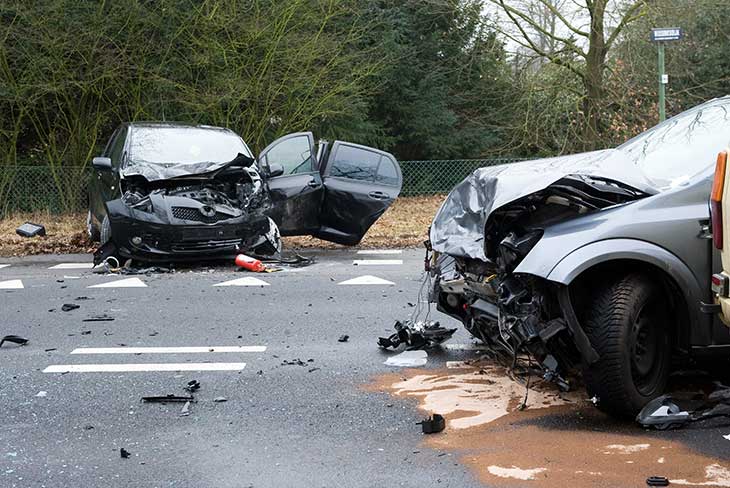
California does not impose a “serious injury threshold” for auto accident claims. This means individuals injured in car accidents can pursue compensation based on the other party’s fault, regardless of the severity of their injuries.
When injuries after a car accident disrupt your life or raise questions about liability, consulting a car accident lawyer from Neale & Fhima can help clarify what steps to protect your ability to recover full compensation for someone else’s negligent actions.
Key Takeaways About California’s Serious Injury Threshold in Auto Accident Claims
- California law allows claims for minor injuries: Under California Civil Code § 1714, individuals may hold others accountable for any provable injury and related damages caused by another person’s negligence.
- High accident rates in California cities: According to California Office of Traffic Safety data, Los Angeles, San Diego, Irvine, and Orange County have a lot of auto collisions. Many accident survivors struggle financially afterwards because they don’t think their injuries qualify for compensation.
- Insurance companies often undervalue claims: Without legal representation, you may face lowball settlement offers that fail to cover the full cost of your recovery. A lawyer works to make your claim reflect the true financial and emotional impact of the accident.
- Time is running out to act: California’s statute of limitations gives you only two years to file a personal injury claim. Waiting too long can weaken your case and limit your ability to recover compensation.
What Does the Serious Injury Threshold Mean in Car Crash Injury Claims?
The serious injury threshold acts as a gatekeeper, limiting who can file a lawsuit after a car accident.
California takes a different approach.
Without these restrictions, individuals can pursue compensation for a wide range of injuries caused by negligent drivers, including:
- Whiplash and soft tissue injuries: Rear-end collisions frequently cause these injuries, which can result in ongoing pain and limited mobility.
- Broken bones and fractures: High-speed crashes or T-bone accidents often lead to these injuries, requiring significant medical care and recovery time.
- Traumatic brain injuries (TBI): Head-on collisions or rollovers can cause TBIs, which may lead to long-term cognitive and emotional challenges.
- Spinal cord injuries: These injuries, which occur in various types of crashes, can result in partial or complete paralysis and major life changes.
- Internal injuries: High-impact accidents, such as those involving large trucks, often damage internal organs and require emergency medical attention.
California’s approach to car accident claims provides a path to recovery for those dealing with the aftermath of a crash. Navigating the legal process, however, can be complex. A car accident lawyer can handle the details, advocate for your rights, and work to secure the compensation you need to rebuild and move forward.
How Fault-Based Insurance Works in California
California operates under a fault-based insurance system, meaning the driver who causes the accident pays for the damages. Typically, this involves filing a claim with the at-fault driver’s liability insurance. State-mandated minimum liability coverage includes:
- $15,000 for injury or death of one person: This applies to injuries sustained by any individual in the accident.
- $30,000 for injury or death involving multiple people: This coverage applies to multiple injured parties but may be split among them.
- $5,000 for property damage: This covers damage to vehicles or other physical property caused by the accident.
If damages exceed these minimum amounts, which is often the case for both minor and serious injuries, you may be able to pursue additional compensation by filing a personal injury lawsuit with the help of a California car crash attorney.
What Compensation Can You Recover After a Car Accident in California?
Injuries from a car accident create financial and personal challenges that can quickly add up. California law allows you to recover compensation for the costs tied to your injuries, including:
- Medical expenses
- Lost income
- Diminished earning capacity or potential
- Pain and suffering
- Future care needs
The costs of car accident injuries can add up quickly. A car accident lawyer can handle the legal details, protect your interests, and work to secure the compensation you’re entitled to under California law.
The Role of a Car Accident Attorney After a California Motor Vehicle Crash
While California doesn’t impose serious injury threshold requirements like other states, proving negligence and the full extent of your losses remains critical to securing fair compensation. A car accident attorney plays a vital role in building a strong case and addressing key challenges, including:
- Demonstrating negligence: Personal injury attorneys help gather evidence, interview witnesses, and may work with experts to establish fault and strengthen your claim.
- Calculating damages: Legal professionals assess immediate costs, like medical bills and lost wages, and long-term impacts, such as reduced earning capacity and ongoing care needs.
- Dealing with insurers: From filing claims to negotiating settlements, attorneys ensure insurance companies take your case seriously and don’t undervalue your claim.
- Overcoming legal hurdles: Lawyers address issues like comparative negligence or liability insurance limits, developing strategies to protect your recovery.
Even without a serious injury threshold, recovering fair compensation requires a thorough, detailed approach. A car accident attorney provides the advocacy needed to navigate these complexities and achieve a favorable outcome.
California Auto Accident Injury Claims FAQ
What does “serious injury threshold” mean in other states, and why doesn’t California use one?
In states with a serious injury threshold, individuals can only file lawsuits if their injuries meet strict criteria, such as permanent disability. California takes a different approach, allowing claims based on fault, regardless of the injury’s severity. This ensures that even less severe injuries can be addressed through legal action.
Can I file a claim if my injuries are minor?
Even minor injuries can lead to significant medical expenses or other losses. California law allows you to seek compensation for how the accident has impacted your life, no matter the severity of your injuries.
What should I do if the at-fault driver doesn’t have enough insurance?
If the at-fault driver’s insurance doesn’t cover all your damages, you may be able to pursue additional compensation through your own uninsured/underinsured motorist coverage or by filing a personal injury lawsuit. A lawyer can help you explore these options.
Injured in a California Auto Accident? Contact Neale & Fhima For Comprehensive Legal Support
California’s fault-based system lets you pursue compensation for injuries caused by negligent drivers.
However, building a strong claim requires detailed preparation. Gathering evidence, proving fault, and dealing with insurance companies can be challenging without legal support.
Neale & Fhima helps clients take control of their cases by handling the legal details and protecting their rights.
Start your claim with a free case evaluation. Call 888-407-2955 or complete our online form to learn how we can help you move forward after an auto accident in California.
Attorney Aaron Fhima
 Aaron Fhima is a trial attorney who has secured numerous settlements and verdicts against large corporations and some of the largest auto manufacturers in the world. Representing consumers and injury victims throughout the state of California, Aaron’s practice areas include personal injury, and lemon law litigation. Aaron has a long record of success taking on large defense firms; and he doesn’t hesitate to take cases to trial when necessary to enforce his clients’ rights. [ Attorney Bio ]