
Understanding Fault and Liability in California Motorcycle Accidents
 September 18, 2025
- Categories: Motorcycle Accidents
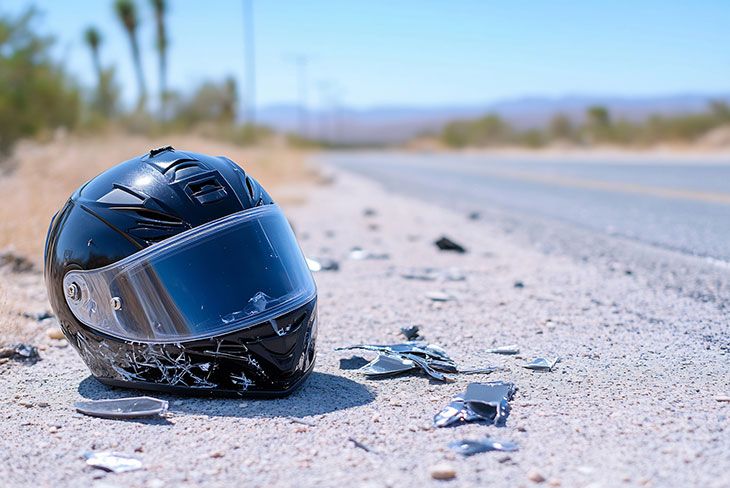
It takes just a few seconds for a negligent driver to cause a motorcycle crash that changes your life forever. If you’re trying to figure out what went wrong, who is at fault, and how to get help with medical bills and other expenses, you’re not alone.
Many motorcycle accident victims feel overwhelmed trying to make sense of insurance claims and California’s traffic laws. Working with an experienced motorcycle accident lawyer positions you for the best possible outcome as you try to recover compensation for all your injuries and losses. Understanding fault and liability in California motorcycle accidents can give you a basic understanding of what to expect and help you take your first steps into the legal process with confidence.
Whether you’re recovering from serious injuries or helping a loved one through their recovery, we will break down how fault is determined, what liability means, and how the law affects your ability to seek compensation in California.
Fault and Liability: What They Really Mean
After a motorcycle accident in California, the terms “fault” and “liability” come up right away, often from insurance companies or police reports. But these words aren’t always easy to interpret when you’re hurt and trying to get back on your feet.
In short, “fault” refers to who caused the crash. “Liability” means who is legally responsible for the harm caused. They’re closely related, but not exactly the same.
California uses a pure comparative negligence system. That means more than one person can be found responsible, and each party is financially liable for their share of the damage. Even if you are partially at fault for your injuries, you may still be able to recover compensation.
How pure comparative negligence works in motorcycle accident cases
Under California law, if you were 20% responsible for an accident and the other driver was 80% at fault, you could recover 80% of your damages. This system helps ensure fairness, especially in situations where both drivers may have made mistakes.
Why proving negligence matters
To hold someone liable, you need to show they were negligent — that they failed to act with reasonable care and caused your injuries. This is where the legal process gets technical, and where experienced personal injury attorneys can be a valuable resource.
Common challenges in determining fault
California motorcycle accidents are often more complicated than they appear. Fault may not be obvious, and insurance companies dealing with your claim often take advantage of negative stereotypes, portraying motorcycle riders as reckless daredevils to reduce their liability and place more of it on you.
An experienced motorcycle accident lawyer can counter those tactics and protect the value of your claim by gathering and preserving strong evidence.
Common Causes of Motorcycle Accidents in California
Mile per mile, motorcyclists die at a rate 29 times higher than other motorists in the U.S.
A total of 6,335 motorcyclists lost their lives in traffic accidents recently, marking the highest number of motorcycle fatalities since the National Highway Traffic Safety Administration (NHTSA) started keeping track of fatal motorcycle accidents more than half a century ago. Thousands of other motorcyclists suffered serious and catastrophic injuries.
California often ranks in the top three states for the most motorcycle crashes and deaths, along with Florida and Texas. Our state reported 583 motorcyclist deaths in one recent year, and more than 80,000 injuries.
In a legal context, understanding how motorcycle accidents occur helps determine who is liable. When negligent drivers cause accidents, it’s most often due to:
Unsafe lane changes
Drivers often fail to check their blind spots or signal before moving into another lane, putting motorcyclists at serious risk. In California, lane splitting—when a motorcycle rides between two lanes of traffic—is legal when done safely. But many drivers are unaware of this law and may swerve or shift lanes without expecting a motorcycle to be nearby, which leads to avoidable and dangerous collisions.
Distracted or impaired driving
Texting, eating, or driving under the influence can lead to devastating crashes, especially when visibility is limited.
Left-turn collisions
These accidents are among the most deadly for motorcycle riders. A car making a left-hand turn in front of an oncoming motorcycle is often considered at fault.
Failure to yield
Some drivers don’t give motorcycles the right of way when entering traffic or making turns, leading to serious injuries.
Road hazards and poor maintenance
While not always the fault of another driver, issues like potholes, debris, or broken traffic signals can shift liability to government agencies or third parties responsible for road safety.
How Insurance Companies Handle Motorcycle Accident Claims
If you’ve been in a motorcycle accident in California, you’ll likely hear from the other driver’s insurance company within days. Their goal is to limit the amount they pay, not to help you recover. Dealing with them can be stressful and tricky, especially when you’re also dealing with physical injuries, lost wages, or emotional distress. They may:
- Downplay your injuries or medical records
- Blame you for the accident regardless of the facts
- Offer fast, lowball settlements before you understand the full impact of your injuries and losses
Giving a recorded statement can be risky
You are not legally required to give a recorded statement to the other driver’s insurer. In fact, doing so can hurt your case. Insurers may take any statements you make out of context and use them to blame you for the accident.
Legal counsel can protect your interests
When you work with an experienced motorcycle accident lawyer, they handle communications with the insurance companies, gather evidence, and fight for your full and fair compensation.
What to Do After a Motorcycle Accident in California
If you’ve already received medical care for your injuries or are in the middle of ongoing treatment, you’ve taken one of the most important first steps. If you haven’t yet seen a doctor, it’s not too late. Some serious injuries don’t always show symptoms right away. A prompt medical evaluation not only protects your health but also strengthens the link between the accident and your injuries, which is essential for your personal injury claim.
Once you address your immediate medical needs, there are additional steps you can take to safeguard your right to compensation.
- Hire a lawyer
An experienced personal injury attorney can remove the pressure of a legal dispute from you so you can focus on healing. They will handle communication with insurance companies, investigate fault, and fight for maximum compensation on your behalf. - Keep all medical appointments and follow through with treatment
Skipping physical therapy or failing to take prescribed medication may be used against you to suggest your injuries aren’t serious. Consistent treatment builds a record that reflects the full extent of your pain and limitations. - Document your pain and daily limitations
Keep a written or video journal of your symptoms, mobility issues, pain levels, sleep disruptions, and how the injuries are affecting your day-to-day life. This personal evidence can help show your more invisible injuries, such as emotional distress and loss of quality of life. - Preserve evidence for your lawyer
Store everything related to the accident in a safe place, including medical records, prescriptions, damaged gear, repair estimates, and correspondence with insurance companies. Your attorney will use this evidence to support your case and build a strong claim. - Avoid discussing your case with insurers
Insurance adjusters may seem helpful, but their goal is to protect the company’s bottom line. Anything you say can be used to reduce or deny your claim. Politely decline to discuss details and refer them to your lawyer. - Avoid posting on social media
Insurance companies and opposing attorneys often search social media for evidence. Even a well-meaning post or smiling photo could be twisted to downplay the severity of your injuries.
Taking these steps can help protect your claim and put you in the best possible position to recover financial compensation for your injuries.
Experts Can Help Reconstruct the Accident and Determine Fault
In many motorcycle accident cases, liability isn’t black and white. Accident reconstruction experts can provide an objective analysis that helps clarify exactly what happened and why. While this isn’t necessary in every motorcycle accident case, it can help sort out more complicated and high-stakes cases.
What accident reconstruction involves
Experts use a variety of data, including skid marks, vehicle damage, speed estimates, road design, and weather conditions, to create a detailed picture of how the crash occurred. Their findings often carry weight in court or during settlement negotiations.
Why expert testimony matters
If the insurance company disputes liability or claims you’re partially at fault, expert analysis can help counter those arguments. Their conclusions often support witness statements, medical records, and the police report.
Other specialists who may contribute
In addition to accident reconstructionists, your legal team may work with medical professionals, vocational experts, and economists to show how your injuries and losses have impacted your life physically, emotionally, and financially.
The Role of California’s Helmet Law in Motorcycle Accident Liability
In California, all motorcycle riders and passengers must wear helmets that meet U.S. Department of Transportation standards. But what happens if a rider wasn’t wearing one during an accident?
Helmet use and comparative fault
If you weren’t wearing a helmet and sustained head injuries, the other party may argue that your injuries were worse because of that choice. While it may not eliminate your compensation, it could reduce your total recovery.
How fault is adjusted in California personal injury cases
California follows pure comparative negligence, allowing you to recover damages regardless of your percentage of fault. However, your compensation is reduced in proportion to your share of the blame. A skilled personal injury lawyer will defend you and your claim against undue allegations of fault.
What if the helmet was defective?
If your helmet failed during the accident due to a design or manufacturing flaw, liability could shift to the company that made or sold the product. These cases may involve product liability law in addition to your personal injury claim.
What Financial Compensation Can Cover After a California Motorcycle Wreck?
The crash has already taken enough from you. Between the physical pain, time away from work, and the stress of mounting bills, it’s only fair that the full impact of your injuries is accounted for. California personal injury law allows motorcycle accident victims to seek compensation for a wide range of losses, including:
Here are some of the damages you may be able to recover:
- Medical treatment and future care
This includes emergency care, hospital stays, surgery, rehabilitation, prescriptions, and any long-term treatment you’ll need going forward. - Lost wages and reduced earning ability
If your injuries forced you to miss work or left you unable to return to your job, your claim can include past income losses and projected future earnings. - Property damage
You can seek reimbursement for damage to your motorcycle, riding gear, phone, and other personal items affected by the crash. - Pain and suffering
Serious injuries often come with lasting discomfort, physical limitations, and the emotional toll of coping with trauma. - Emotional distress and loss of enjoyment of life
Many injured riders experience anxiety, depression, or grief over the loss of hobbies, mobility, and everyday pleasures. - Permanent injuries and scarring
If the accident left you with visible disfigurement or permanent disabilities, your compensation should reflect the long-term impact. - Other out-of-pocket costs
This includes travel for medical treatment, home health support, medical equipment, or household help during recovery.
A strong personal injury claim should reflect every part of what you’ve lost — not just what’s easy to calculate. The right legal strategy ensures those details don’t get overlooked.
Key Takeaways
- California uses a pure comparative negligence system, meaning more than one party can share fault and still recover damages.
- Motorcycle riders are often injured due to other drivers’ negligence, including unsafe lane changes, left-turn collisions, and distracted driving.
- Helmet use can impact compensation, but not necessarily eliminate your right to file a personal injury claim.
- Accident reconstruction experts play a crucial role in showing how and why a crash occurred.
- You can recover compensation for medical bills, lost wages, and emotional distress if someone else’s negligence contributed to the crash.
- Insurance companies may try to reduce their liability, but strong evidence can protect your claim.
- The legal process is time-sensitive, and waiting too long can impact your ability to recover damages.
- Working with a personal injury law firm ensures your rights are protected and your case is handled with care.
Frequently Asked Questions (FAQs) About Motorcycle Accident Liability in California
What is the deadline to file a motorcycle accident claim in California?
In most cases, motorcycle riders have two years from the date of the accident to file a personal injury lawsuit in California. If your claim involves a government entity (such as a poorly maintained road or a government-operated vehicle), the deadline can be as short as six months. Speak with a lawyer as soon as possible to ensure your case meets every legal deadline.
Do I need a lawyer for a motorcycle accident case?
While not legally required, having an attorney significantly improves your chances of recovering full and fair compensation. A lawyer handles insurance negotiations, builds your case, and protects you from tactics designed to lower your payout.
Will my case go to trial?
Most motorcycle accident cases settle outside of court. However, if the insurance company refuses to offer a fair settlement, your attorney may recommend going to trial. Either way, having a skilled legal team gives you leverage in the negotiation process.
Talk to a California Motorcycle Accident Lawyer You Can Trust
If you or someone you love has been injured in a motorcycle accident in California, you don’t have to deal with the legal system or insurance companies alone. At Neale & Fhima: Accident, Injury, and Lemon Law Lawyers, we fight hard to make sure motorcycle accident victims get the support they need.
With more than 40 years of combined experience, our attorneys have helped thousands of clients recover compensation for serious injuries. We understand how these accidents affect your health, your finances, and your future, and we’re here to help you move forward.
Call us at (888) 407-2955 or reach out online for a free consultation. We’re ready to stand by your side and provide clear, honest legal guidance when you need it most.
Attorney Aaron Fhima
 Aaron Fhima is a trial attorney who has secured numerous settlements and verdicts against large corporations and some of the largest auto manufacturers in the world. Representing consumers and injury victims throughout the state of California, Aaron’s practice areas include personal injury, and lemon law litigation. Aaron has a long record of success taking on large defense firms; and he doesn’t hesitate to take cases to trial when necessary to enforce his clients’ rights. [ Attorney Bio ]